
Laser Machine Optics Diagnostics: When to Replace Lenses and How It Affects Accuracy
 Laser Machine Optics Diagnostics: When to Replace Lenses and How It Affects Accuracy
The optics in a laser machine are the heart of the system, guiding the laser beam onto the material. Over time, the quality of lenses and mirrors can deteriorate, leading to reduced cutting accuracy, poorer edge quality, and even defects in parts. It is important to be able to diagnose the condition of the optics, understand when lens replacement is needed, and how preventive maintenance affects the final results.
Why Optics Wear Out
The optics in a laser head are affected by:
-
Thermal stress, especially during intensive production cycles.
-
Dust and debris – particles on the lenses reduce beam transmission.
-
Mechanical impact – improper replacement of protective lenses, bumps, and vibrations.
-
Humidity and aggressive workshop environments.
These factors cause loss of beam power and focus degradation, leading to wider cutting gaps, uneven lines, inconsistent cutting depth, and increased energy consumption to achieve the same results.
How to Diagnose Lens Condition
Visual inspection: check the lens when the machine is off. Look for cloudy or matte surfaces, burn marks, dark spots, or color changes. Even minor defects can indicate beam defocusing and reduced power.
Test cuts: perform several identical cuts on the same material sheet at reduced power. If quality declines faster than usual, the lens may be dirty or damaged.
Focus zone temperature monitoring: excessive heat at the focus point indicates the lens is not properly dispersing the beam, which can damage other components.
Examples: How Clean vs. Worn Optics Affect Performance
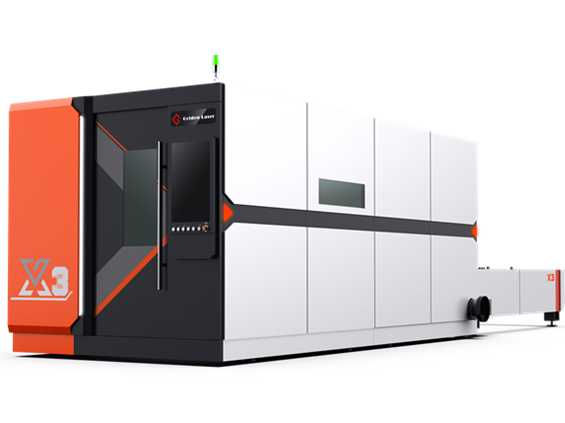
Consider real equipment such as Golden Laser cutting machines – modern systems with fiber laser sources and high-precision heads for sheet and tube processing. These machines provide high accuracy, automation, and stability when properly maintained. Even in these systems, dirty or damaged lenses can reduce cutting quality by 5–20% (depending on the metal type and power). Regular cleaning and replacement of lenses ensures the manufacturer’s specified precision and processing speed are maintained.
When Lens Replacement Is Needed
Lenses should be replaced in the following cases:
-
Visible wear: lens is cloudy, scratched, or otherwise damaged.
-
Significant decline in cutting quality at stable machine settings.
-
Increased defects on parts that cannot be corrected by cleaning or adjustments.
-
After mechanical damage or accidents.
In many industrial machines, optics are replaced according to operating hours, even if no visible defects are present, to prevent downtime.
Maintenance and Prevention
To extend lens lifespan:
-
Use protective lenses, which are cheaper to replace than the main optics.
-
Regularly blow the system with dry compressed air.
-
Keep the workshop environment clean – less dust extends optical life.
-
Keep a log of lens condition and maintenance intervals.
Impact on Accuracy and Productivity
When lenses are in good condition:
-
Beam is properly focused
-
Cutting geometry is precise
-
Less material waste
-
Energy savings
-
Stable cutting cycles
When lenses are dirty or damaged:
-
Cutting quality deteriorates
-
Energy consumption increases
-
Equipment wears faster
-
Part defects may occur
Conclusion
Optics diagnostics is not just a formality; it is a key factor in laser processing quality and stability. Timely lens replacement prolongs machine life and maintains high industrial precision.
Do you want to optimize your laser machine’s optical system, receive diagnostics advice, or select original lenses and components?
Contact our experts – we will provide the optimal maintenance plan and original optical components for your equipment.
Fill out the inquiry now and get a free initial consultation on optics diagnostics!