
How to Choose Between an Industrial Robot and a Cobot in Metalworking
 How to Choose Between an Industrial Robot and a Cobot in Metalworking
Automation in metalworking is no longer a question of “whether,” but rather which technology to choose.
The key dilemma: industrial robot or cobot?
Making the wrong choice at this stage can cost tens of thousands of euros and months of implementation time. Let’s break down how to make the right decision.
What’s the Key Difference?
The difference between these two types of robots is not just in design, but in how they are used:
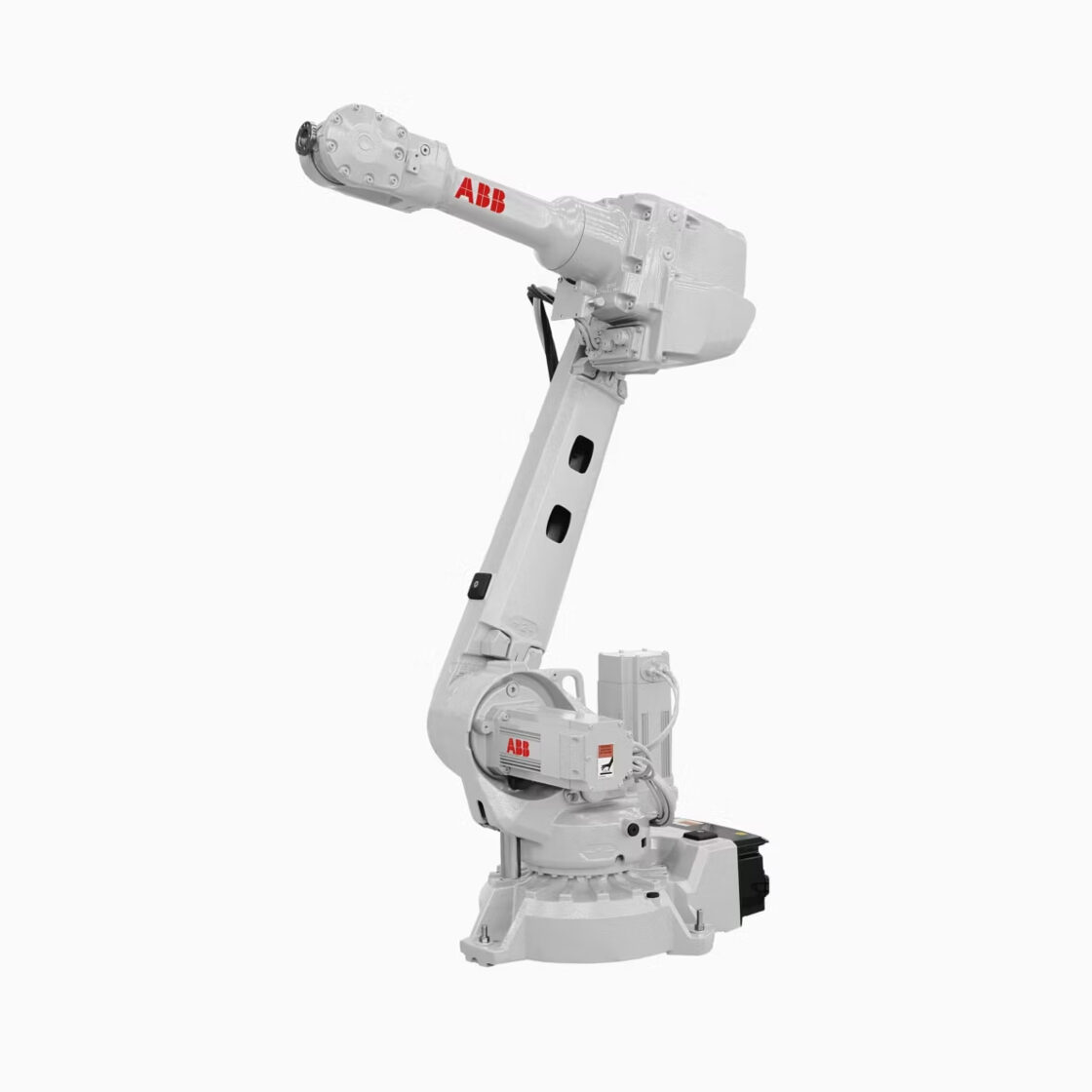
Industrial robots — powerful, high-speed, fully automated systems
Cobots (collaborative robots) — flexible assistants designed to work alongside humans
Cobots are built for safe human interaction, while industrial robots typically operate in isolated, guarded environments.
Comparison: Robot vs Cobot in Metalworking
| Criteria | Cobot | Industrial Robot |
|---|---|---|
| Payload | up to ~25 kg | up to 2000+ kg |
| Speed | low–medium | high |
| Safety | no fencing required | requires safety systems |
| Implementation | fast (days/weeks) | complex (weeks/months) |
| Flexibility | high | low |
| Production type | small/medium batches | mass production |
| ROI | 8–18 months | 18–36 months |
When to Choose a Cobot
Cobots are ideal for metalworking if you have:
1. Frequent part changes
Low-volume or high-mix production requires flexibility.
Cobots can be reprogrammed in hours, not weeks.
2. Labor shortages
A cobot acts as an extra pair of hands:
CNC machine tending
part feeding
basic quality control
3. Limited floor space
No safety cages required — significant space savings.
4. Fast deployment
Programming is intuitive and quick.
In most small and medium-sized operations, cobots deliver faster ROI and lower implementation costs.
When You Need an Industrial Robot
There are tasks where cobots are simply not enough:
1. Heavy parts
If parts exceed 20–25 kg, an industrial robot is required.
2. High productivity demands
If you need:
24/7 operation
very short cycle times
mass production
Industrial robots operate significantly faster.
3. Harsh environments
high temperatures
intensive welding
aggressive conditions
A Practical Rule of Thumb
To simplify your decision:
Choose a cobot if:
production volume is up to ~50,000 parts/year
flexibility is critical
operators work nearby
fast deployment matters
Choose an industrial robot if:
production is high-volume
parts are heavy
speed is critical
minimal human interaction is required
The Most Common Mistake
Many companies choose an industrial robot “just in case,” and later face:
complex integration
high costs
underutilization
lack of flexibility
As a result, the system does not deliver expected value.
Conclusion
Cobots do not replace industrial robots — they complement them.
Cobot = flexibility and fast results
Industrial robot = power and scale
The right choice always depends on your specific application.
A Proven Solution for Metalworking
If you are considering automating CNC tending, welding, or part handling, take a look at a reliable solution:
This robot offers high precision and reliability, making it suitable for a wide range of metalworking applications — from machine tending to complex operations.