
Centralized vs. Local Extraction Systems — Advantages and Challenges
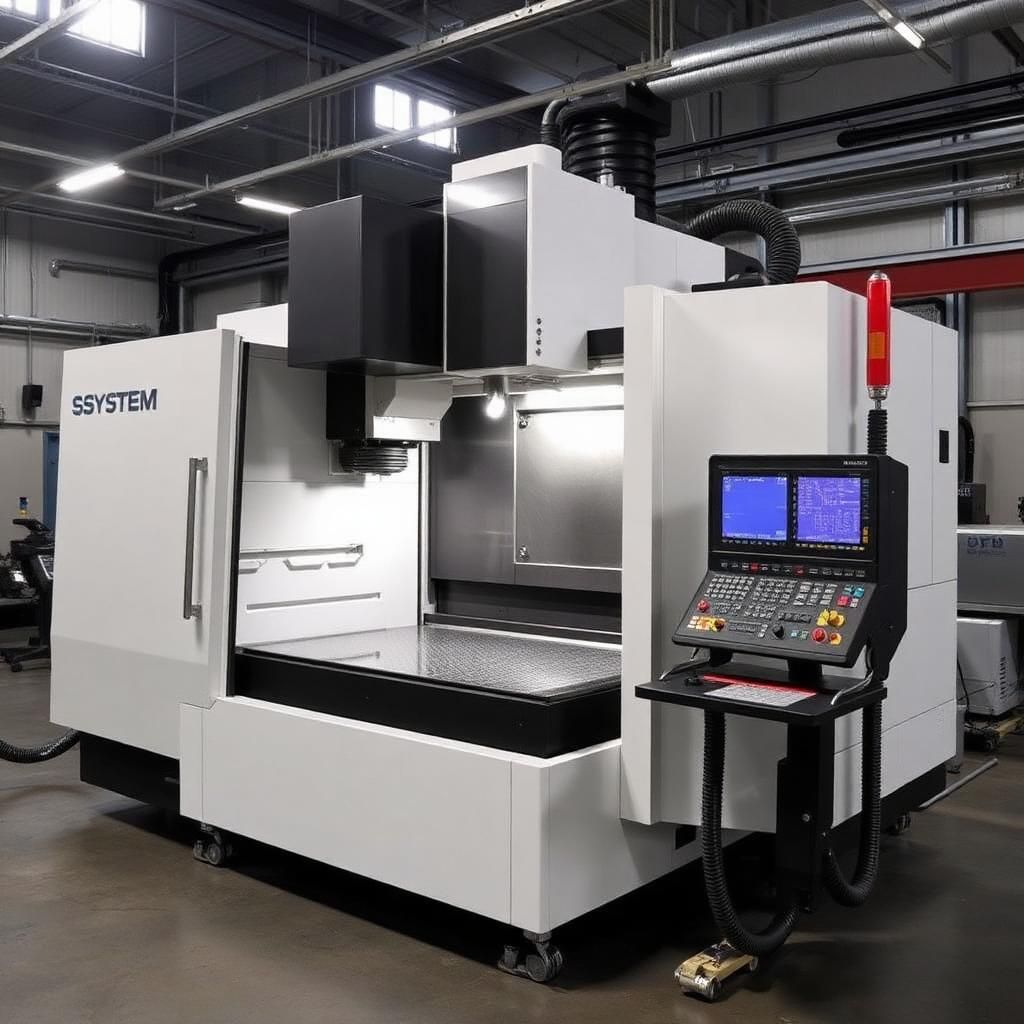 Centralized vs. Local Extraction Systems — Advantages and Challenges
In metalworking facilities, effective air extraction is essential not only for occupational safety but also for stable equipment operation and consistent production quality. One of the most common decisions when planning air purification solutions is choosing between a centralized extraction system and local (individual) extraction solutions. Both approaches offer distinct advantages and limitations that must be evaluated based on specific production requirements.
What Is a Centralized Extraction System
A centralized extraction system consists of one or more high-capacity air filtration units connected via ductwork to serve multiple metalworking machines simultaneously. Such systems are typically implemented in large production halls with continuous workloads.
Key characteristics:
-
shared fan and filtration unit
-
duct network covering the production area
-
centralized maintenance and monitoring
What Is a Local Extraction System
Local extraction means that each machine (or group of machines) is equipped with its own extraction solution — an oil mist collector, dust extractor, or fume filter — installed directly at the source of contamination.
Key characteristics:
-
independent operation for each machine
-
minimal or no ducting required
-
simpler installation
Advantages of Centralized Extraction Systems
-
High capacity and stable performance
Suitable for continuous operation and high contaminant volumes. -
Lower noise levels in the production area
Main equipment can be installed outside the workshop. -
Centralized maintenance
Filter replacement and servicing are performed in one location. -
Unified air quality control
Easier compliance with regulatory requirements.
Challenges of Centralized Systems
-
high initial investment costs
-
complex design and installation
-
limited flexibility when production layouts change
-
failure of a single component may affect the entire system
Advantages of Local Extraction Systems
-
High flexibility
Easily adaptable to production changes or machine relocation. -
Lower initial costs
No extensive ducting infrastructure required. -
Efficient source capture
Reduces oil mist dispersion within the facility. -
Independent operation
Shutdown of one machine does not affect others.
Limitations of Local Systems
-
higher overall noise levels
-
decentralized maintenance (each unit serviced individually)
-
limited capacity for intensive or continuous production
-
potentially higher total energy consumption
How to Choose the Right Solution
When deciding between centralized and local extraction, the following factors should be considered:
-
production volume and operating mode
-
number and layout of machines
-
type of contaminants (oil mist, dust, fumes)
-
facility size and ventilation capabilities
-
budget and future expansion plans
In many cases, a hybrid approach — a centralized system for base load combined with local collectors for specific processes — delivers the most effective results.
Conclusion
Both centralized and local extraction systems play a vital role in maintaining air quality in metalworking environments. The optimal choice is not a single “best” solution, but rather a technically justified system tailored to the specific production environment. A well-designed extraction system reduces risks, improves efficiency, and enhances workplace conditions over the long term.