
Ultrasonic Metal Machining: Principles, Advantages, and Applications
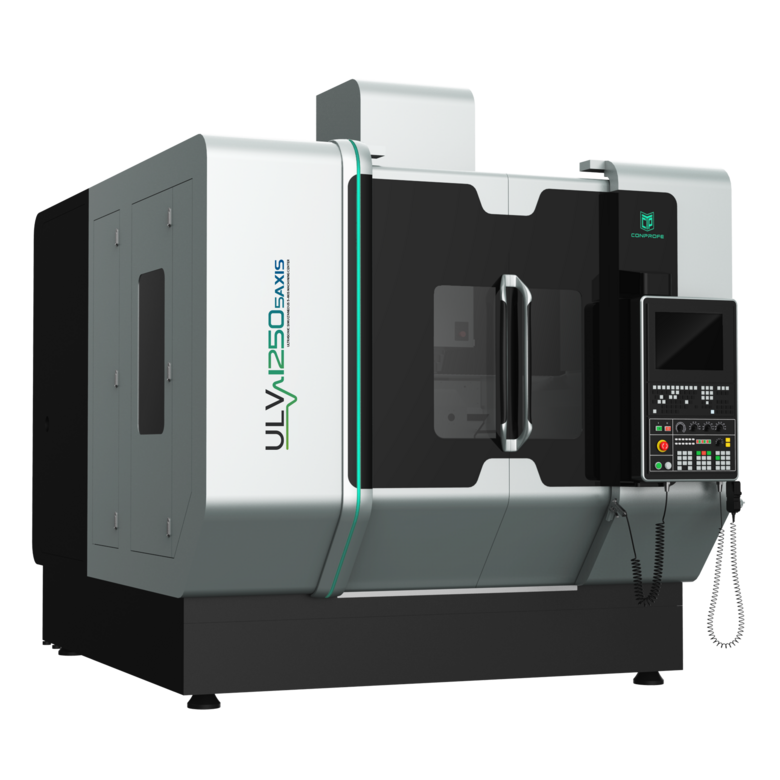 Ultrasonic Metal Machining: Principles, Advantages, and Applications
Modern metalworking increasingly faces challenges related to machining difficult materials, micro-scale components, and parts with complex geometries. One technology that effectively addresses these challenges is Ultrasonic Machining (USM).
Principle of Ultrasonic Machining
Ultrasonic machining is based on the transmission of high-frequency mechanical vibrations (typically 18–40 kHz) from a generator to the tool or workpiece. Micron-level vibration amplitudes are superimposed onto conventional cutting, grinding, or drilling processes.
Depending on the implementation, ultrasonic vibration may:
-
be applied directly to the cutting tool;
-
be used with an abrasive slurry;
-
be combined with milling, drilling, or grinding operations.
The key effect is the periodic separation of the tool from the material, which significantly reduces cutting forces and improves process stability.
Key Advantages
-
Reduced cutting forces
Especially important for hard and brittle materials. -
Lower tool wear
Vibratory motion reduces friction and thermal load. -
Improved surface quality and precision
Lower roughness and reduced risk of micro-cracks. -
Efficient machining of difficult materials
Titanium alloys, hardened steels, ceramics, and composites. -
Capability for micro- and ultra-precision machining
Essential for medical, electronic, and aerospace industries.
Application Areas
-
Aerospace industry
Machining of heat-resistant and titanium alloys, thin-walled parts. -
Medical device manufacturing
Implants, micro-holes, and complex biocompatible components. -
Precision engineering and micro-machining
Creation of micro-channels, grooves, and fine features. -
Tool and mold manufacturing
High-quality dies and molds with superior surface finish. -
Electronics and optics
Processing of brittle materials and hybrid structures.
Process Control and Stability
Successful implementation of ultrasonic machining requires precise control of process parameters, including:
-
vibration frequency and amplitude,
-
tool load,
-
thermal conditions,
-
stability of tool–workpiece interaction.
In this context, process monitoring and control systems play a crucial role. For example, UDBU’s CONPROFE solutions enable real-time monitoring of tool loads and process behavior, which is particularly valuable in precision and hybrid machining processes, including ultrasonic applications.