
Proper Maintenance, Filtration, and Service Life of Oil Mist Collectors
 Proper Maintenance, Filtration, and Service Life of Oil Mist Collectors
Oil mist collectors are a critical component of metalworking equipment, directly affecting air quality, employee health, and machine longevity. However, even the most efficient system will lose performance if it is not properly maintained. This article outlines best practices for oil mist collector maintenance, filtration stages, and the key factors influencing service life.
Why Regular Maintenance Is Essential
Oil aerosols generated during metalworking gradually accumulate in filter elements, fans, and ducting. If maintenance is neglected, it may result in:
-
reduced airflow performance
-
increased energy consumption
-
oil leakage back into the workspace
-
elevated fire risk
-
shortened equipment lifespan
Regular maintenance ensures stable operation and compliance with occupational safety standards.
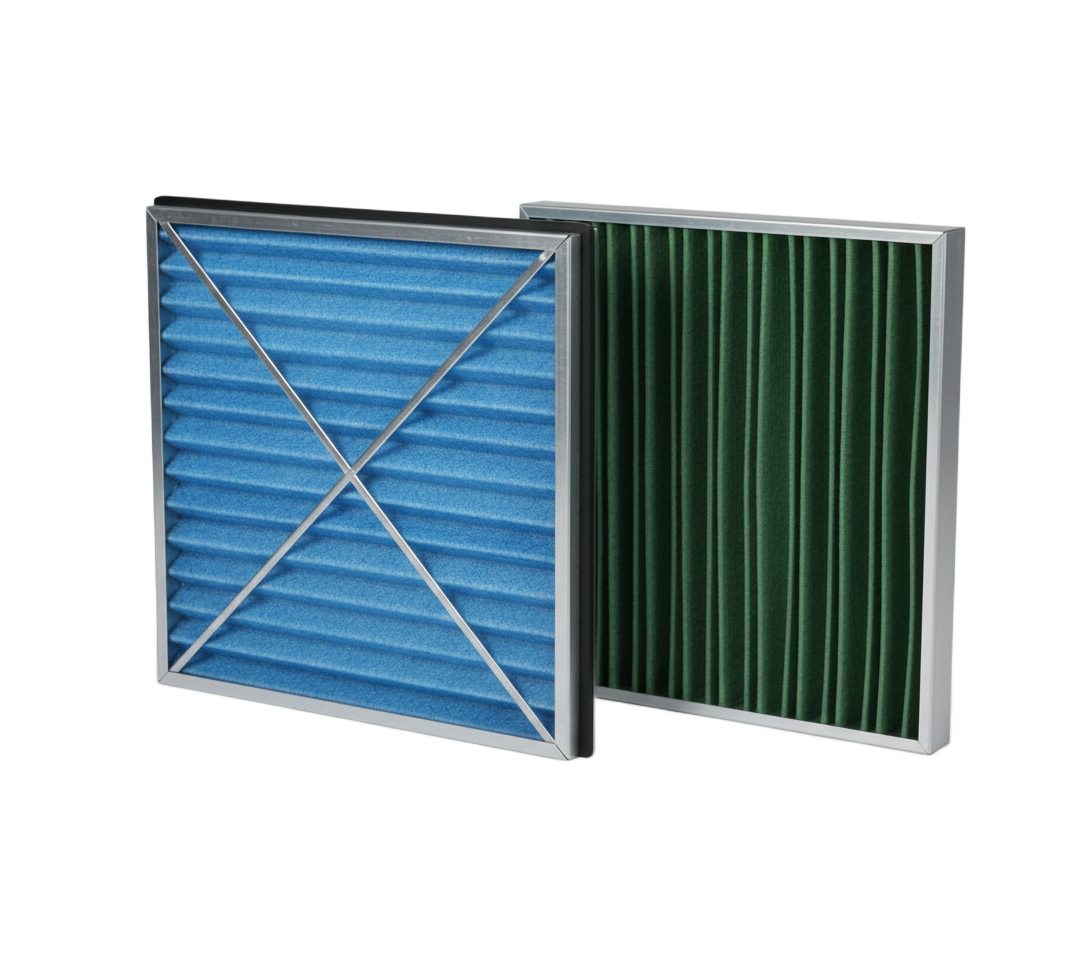
Filtration Stages in Oil Mist Collectors
Most modern systems use multi-stage filtration, with each stage performing a specific function.
1. Primary Filter (mechanical / metal mesh)
-
Captures large oil droplets and metal particles
-
Typically washable and reusable
-
Requires regular cleaning
2. Coalescing Filter
-
Combines fine oil particles into larger droplets
-
Enables oil return to the system
-
Gradually becomes saturated and must be replaced
3. Fine Filtration or HEPA Filter (if applicable)
-
Captures microscopic aerosol particles
-
Essential when air is recirculated indoors
-
Sensitive to overload and improper operation
Maintenance Best Practices
To ensure maximum efficiency, the following maintenance schedule is recommended:
-
Daily / weekly
-
visual inspection for leaks and unusual noise
-
oil drainage monitoring
-
-
Monthly
-
cleaning of primary filters
-
checking for airflow reduction
-
-
Every 3–6 months
-
inspection of coalescing filter condition
-
fan and duct contamination check
-
-
As needed
-
filter replacement based on pressure drop, not calendar time
-
Factors Affecting Filter and Equipment Service Life
The longevity of an oil mist collector depends on several factors:
-
type of coolant used (mineral, synthetic, emulsion)
-
machining process (milling, grinding, drilling)
-
operating mode (continuous or intermittent)
-
correct system sizing
-
timely filter maintenance
Improperly selected or overloaded systems can reduce filter life by several times.
Common Mistakes
-
replacing filters too late or too early
-
cleaning washable filters with unsuitable chemicals
-
clogged drainage systems
-
using the collector outside its intended application
These mistakes reduce efficiency and increase operating costs.
Conclusion
Proper oil mist collector maintenance is not an added expense — it is an investment in safety, efficiency, and long-term equipment reliability. Regular filter inspection, timely cleaning, and rational replacement ensure consistent air quality in metalworking environments and minimize the risk of unplanned downtime.